Securing the Future of Utilities: IT/OT Convergence and Cybersecurity for...
Read More

When the Colonial Pipeline ransomware attack in 2021 forced shutdown of the largest fuel pipeline in the U.S., millions faced fuel shortages and economic disruption. Similarly, the Oldsmar, Florida water facility attack revealed how adversaries can manipulate remote operations with alarming ease.
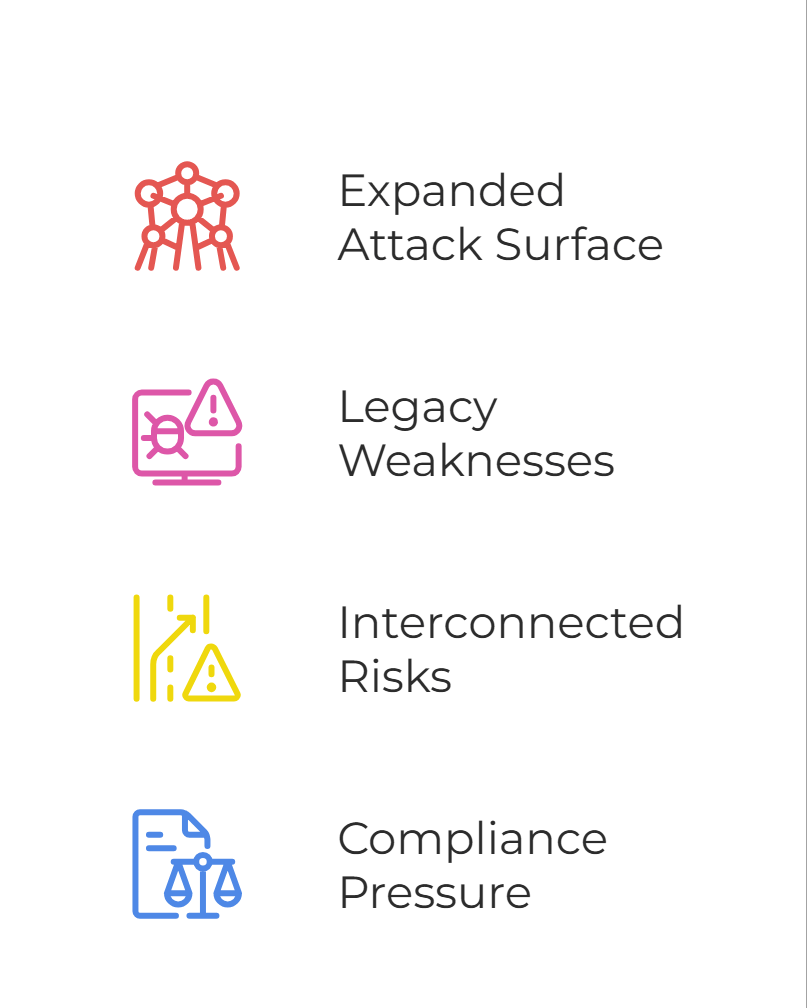
These incidents highlight a stark reality for energy and utility leaders: IT and OT environments are no longer separate worlds. The digitalization of grids, pipelines, and water systems has created both unprecedented opportunities—and an expanded attack surface.
Unlike IT networks, OT was rarely designed with zero-trust or encryption-first models. Recent SixMap data found thousands of exposed OT services online—many on non-standard ports. Attackers, including nation-state actors, are exploiting these entry points.
The future utility will be connected, intelligent, and compliance-driven. But without SLA-backed resilience, SOC-enabled monitoring, and automated compliance controls, the risks are existential.
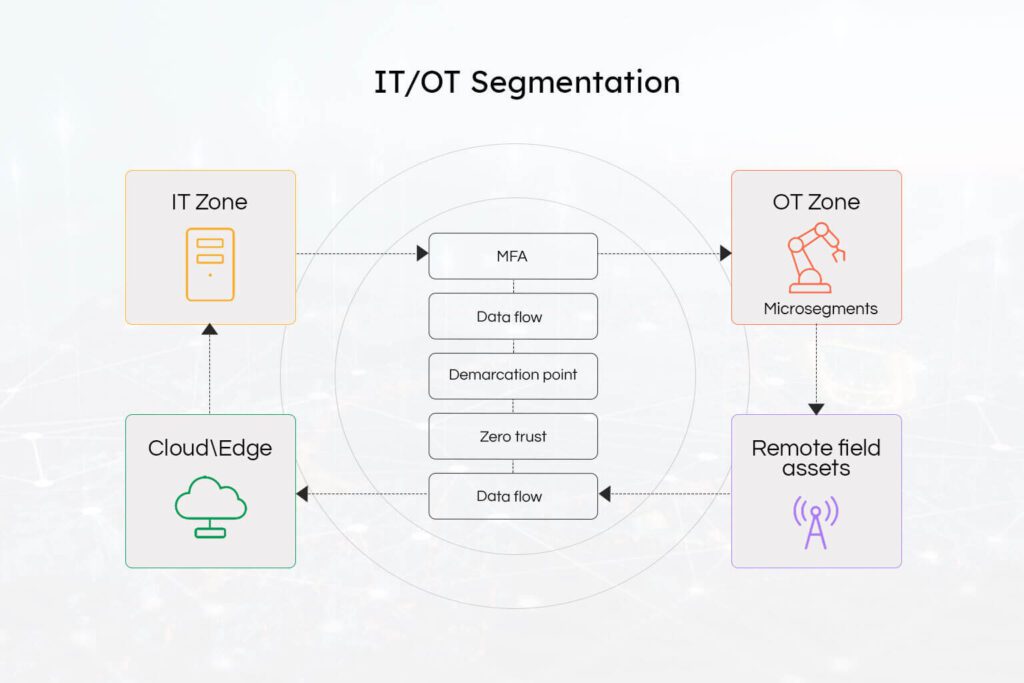
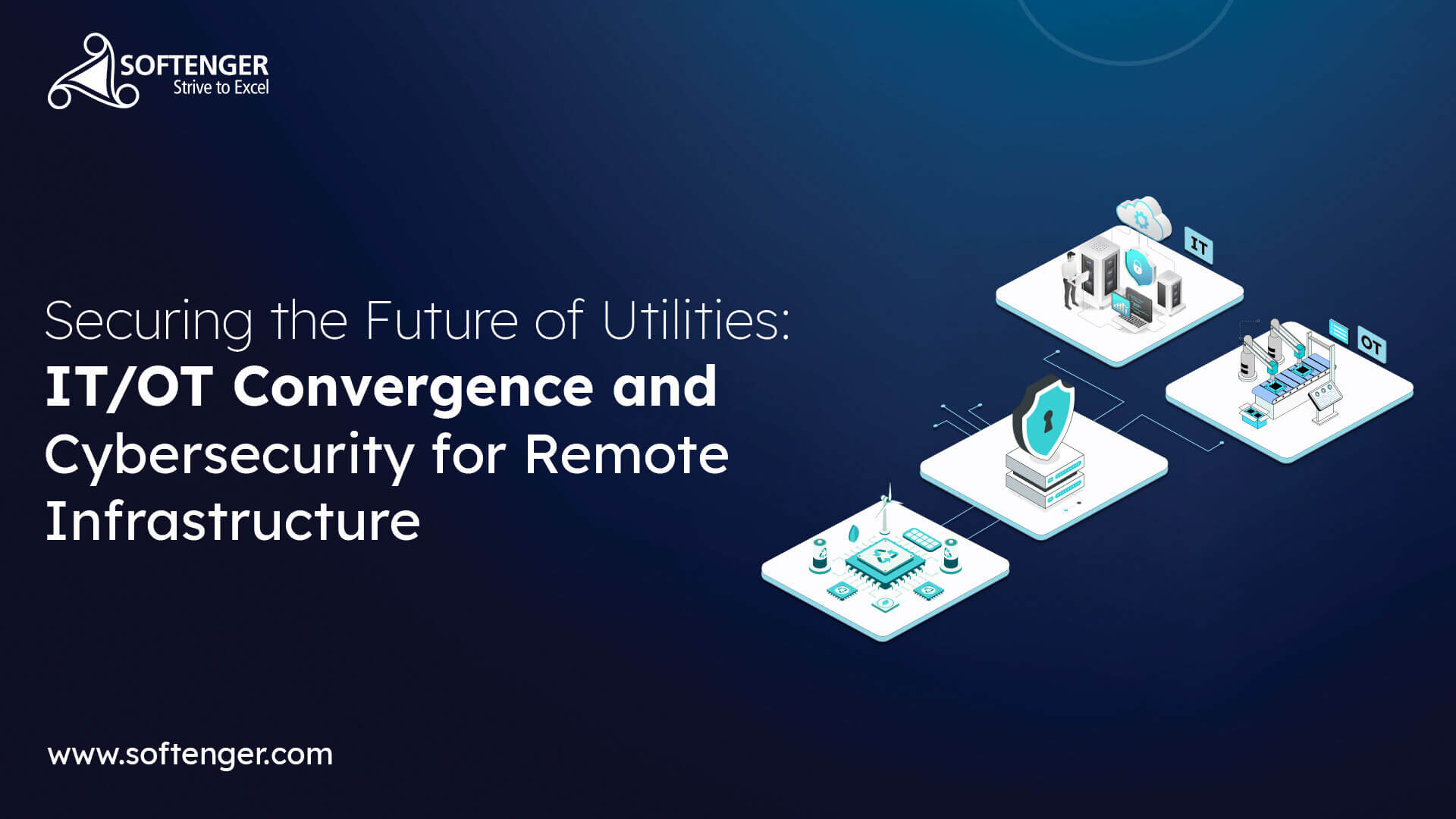
IT/OT convergence is the integration of Information Technology (IT) — enterprise applications, analytics platforms, and cloud ecosystems — with Operational Technology (OT) such as SCADA systems, substations, and grid control equipment. For utilities, this convergence drives smarter grids, predictive maintenance, and operational efficiency. However, it also expands the cyberattack surface, making network segmentation, Zero Trust frameworks, and continuous monitoring essential safeguards.
Unlike IT environments, many OT devices were never designed with modern security controls. Once connected, they are exposed to ransomware, supply chain attacks, and even nation-state adversaries. A layered cybersecurity approach — including segmentation, SOC-enabled monitoring, and incident response playbooks — ensures that an IT breach cannot cascade into OT operations. This protects grid uptime, regulatory compliance, and public safety.
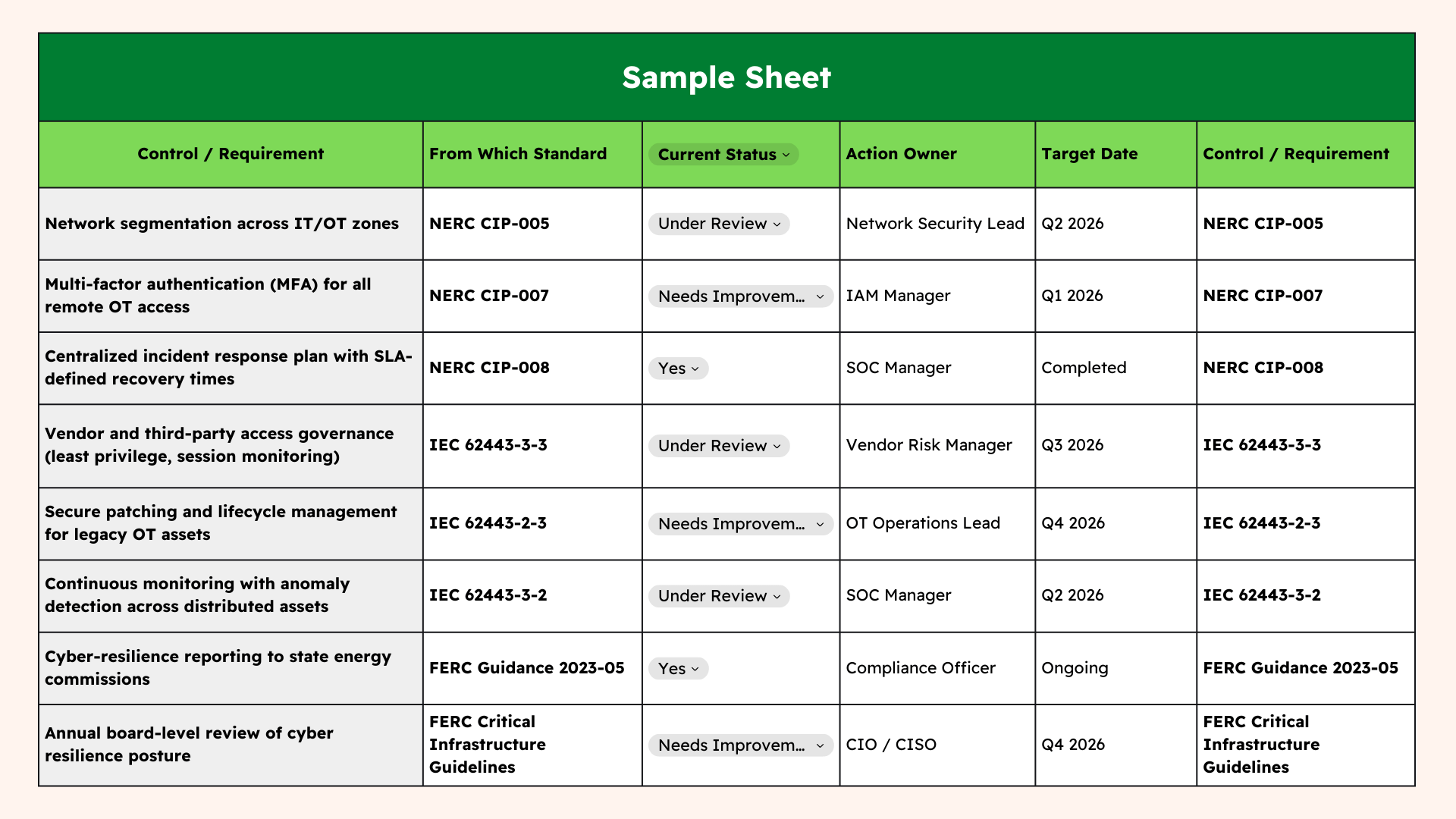
U.S. utilities are subject to some of the world’s strictest compliance mandates:
Penalties for non-compliance can reach $1 million per day, per violation. For CIOs, maintaining audit readiness is not optional — it is a board-level accountability.
Resilience in distributed IT/OT environments depends on:
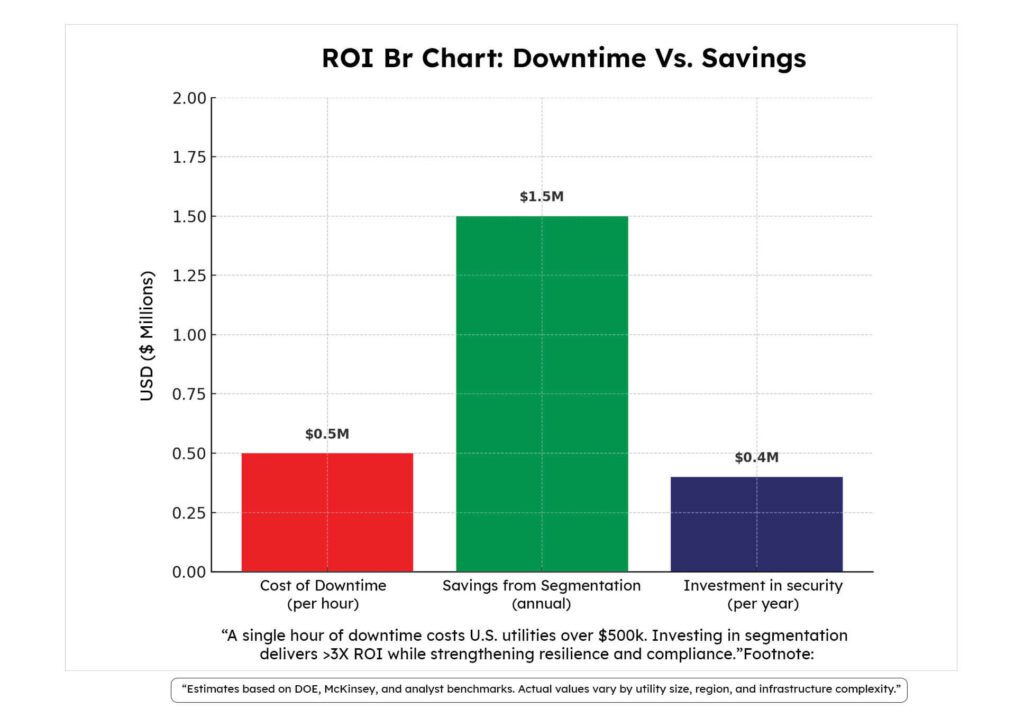
Utilities implementing these measures typically achieve 30–40% reduction in downtime costs and deliver SLA-backed continuity even during cyber incidents.
By 2026, utilities will depend heavily on AI and automation to manage converged IT/OT ecosystems:
For CIOs and CFOs, this evolution transforms IT/OT convergence from a compliance expense into a strategic ROI driver — improving resilience, cutting costs, and strengthening investor confidence.
Build a roadmap for IT/OT convergence with 99.9% uptime and automated compliance.
Securing the Future of Utilities: IT/OT Convergence and Cybersecurity for...
Read MoreWhy Remote and Centralized Device Management Is Transforming IT Operations...
Read MoreGrid Modernization in the Energy & Utilities Sector: Building a...
Read More