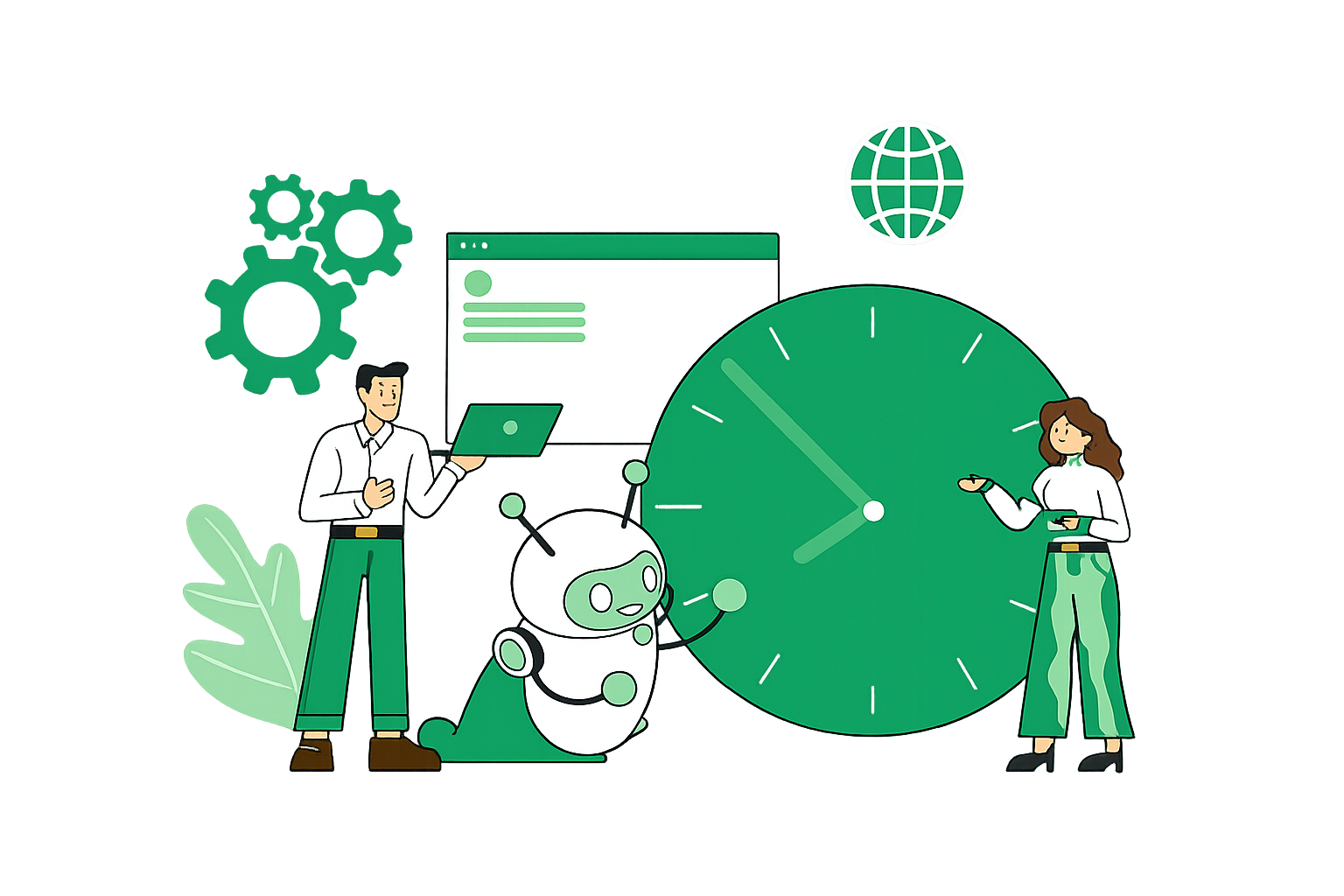
Moving to the Cloud: A Step-by-Step Guide for Businesses
However, the process of moving to the cloud requires careful planning and execution to ensure a smooth transition and maximize the benefits.

Streamline Your IT Ecosystem for Maximum Efficiency
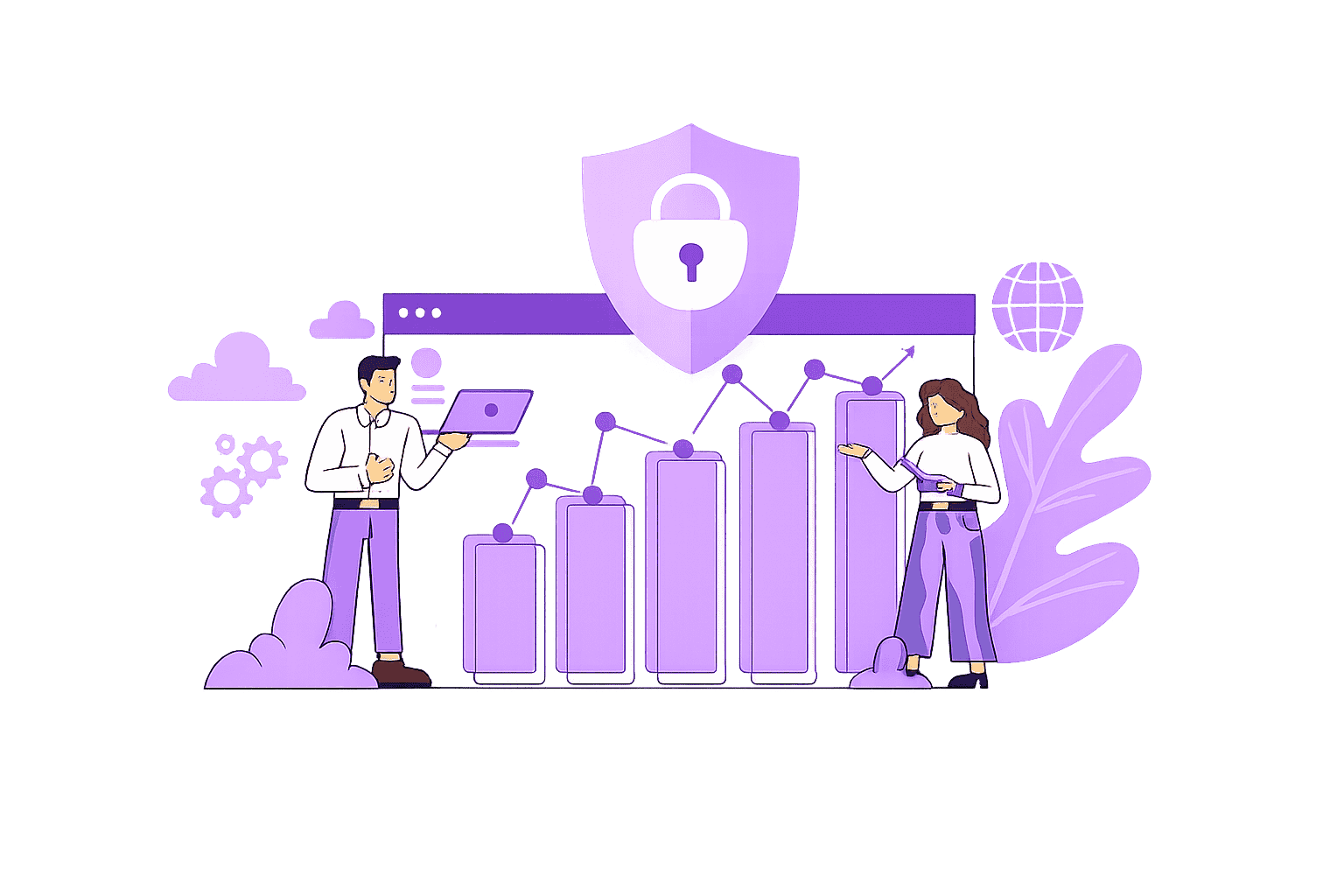
Comprehensive Protection for Data and Infrastructure
Strategy to Implementation: End-to-End Cloud Solutions
Seamless Technical Support for Continuous Productivity
Seamless Technical Support for Continuous Productivity
However, the process of moving to the cloud requires careful planning and execution to ensure a smooth transition and maximize the benefits.

In today’s rapidly evolving cybersecurity landscape, organizations face an ever-increasing volume of security alerts. Research now confirms that 67% of security teams cite alert fatigue as one of their primary challenges in maintaining an effective defense against cyber threats — a figure that has trended upward every year since 2021 as attack surfaces expand and detection tool proliferation accelerates.
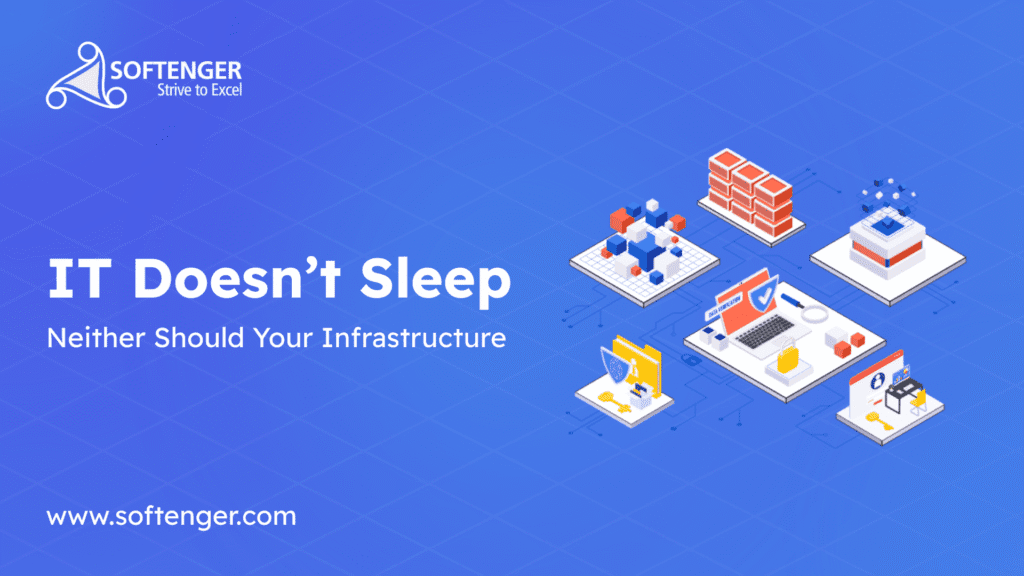
IT doesn’t sleep — and neither should your infrastructure. Remote IT Infrastructure Management (RIM) empowers always-on enterprises with 24/7 monitoring, AIOps-driven automation, and proactive support that prevents outages before they disrupt operations.
Banks and financial services cannot accept downtime or compliance gaps. Softenger’s 24/7 remote IT infrastructure support for BFSI combines continuous monitoring, rapid incident response, and compliance enablement — covering PCI-DSS, SOC 2, ISO 27001, and DORA readiness — so you maintain uptime, protect customer data, and shorten remediation time.
In today’s competitive manufacturing landscape, remote IT infrastructure management for the manufacturing industry has become the linchpin for achieving zero downtime and ensuring operational resilience. For manufacturing businesses, even a 5-minute outage can halt production lines, disrupt supply chains, and cost thousands in lost output.
In today’s always-on economy, 24/7 IT monitoring and incident response are no longer optional — they’re essential for digital resilience.
Managing modern IT infrastructure efficiently is no longer optional — it’s essential for enterprises competing in a global, digital-first economy.
Modern hotels are no longer defined solely by physical infrastructure — they are powered by complex, distributed IT ecosystems. Across U.S. hospitality portfolios, guest experiences now depend on thousands of connected endpoints: smart TVs, in-room tablets, POS systems, kiosks, digital signage, and IoT-driven building systems. Each device directly influences guest satisfaction, operational continuity, and security posture.
IT Infrastructure Costing Manufacturing Singapore Manufacturing Cost Optimisation in Singapore — 2026 Tactics for CIOs Published: July 2025 Updated: March