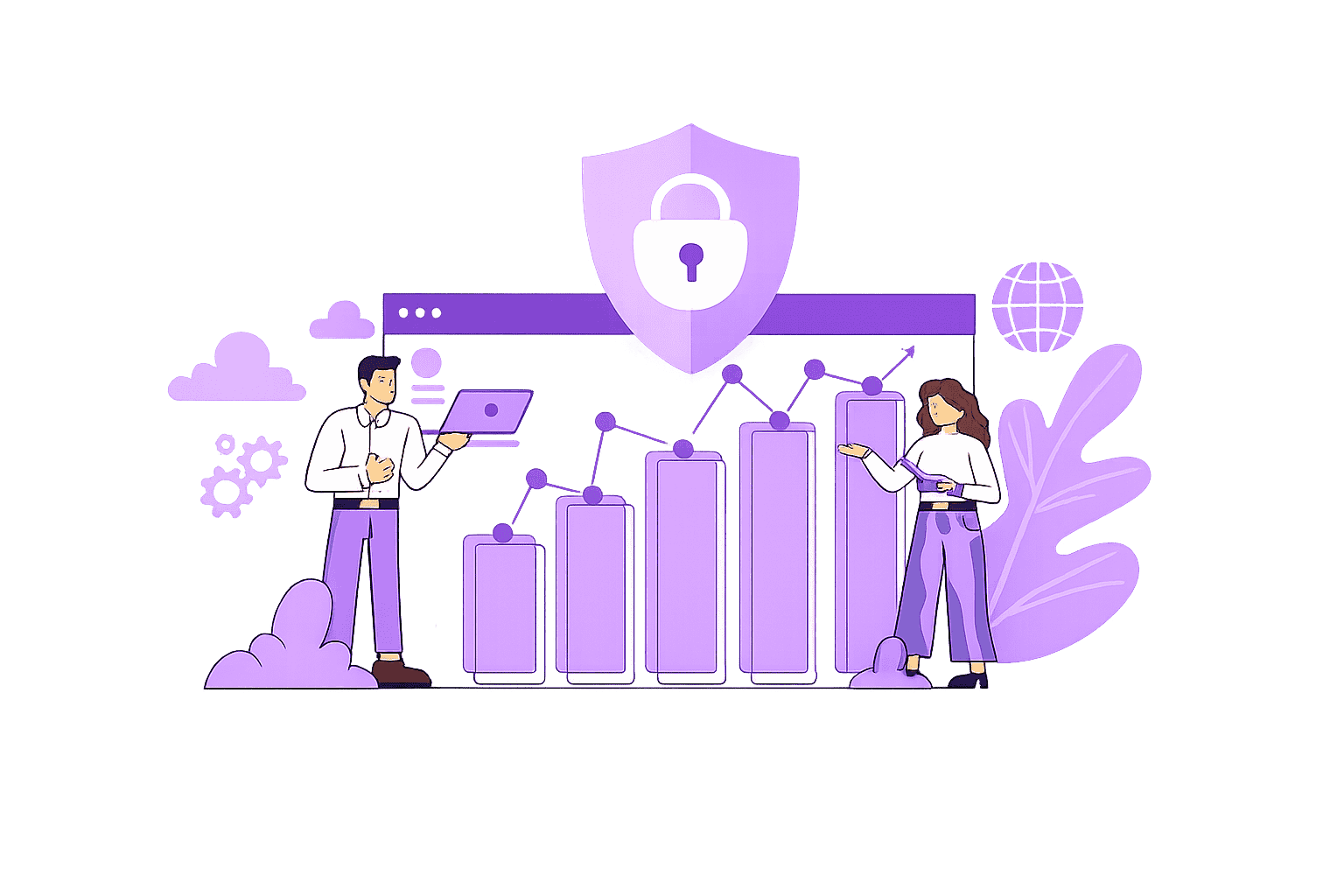
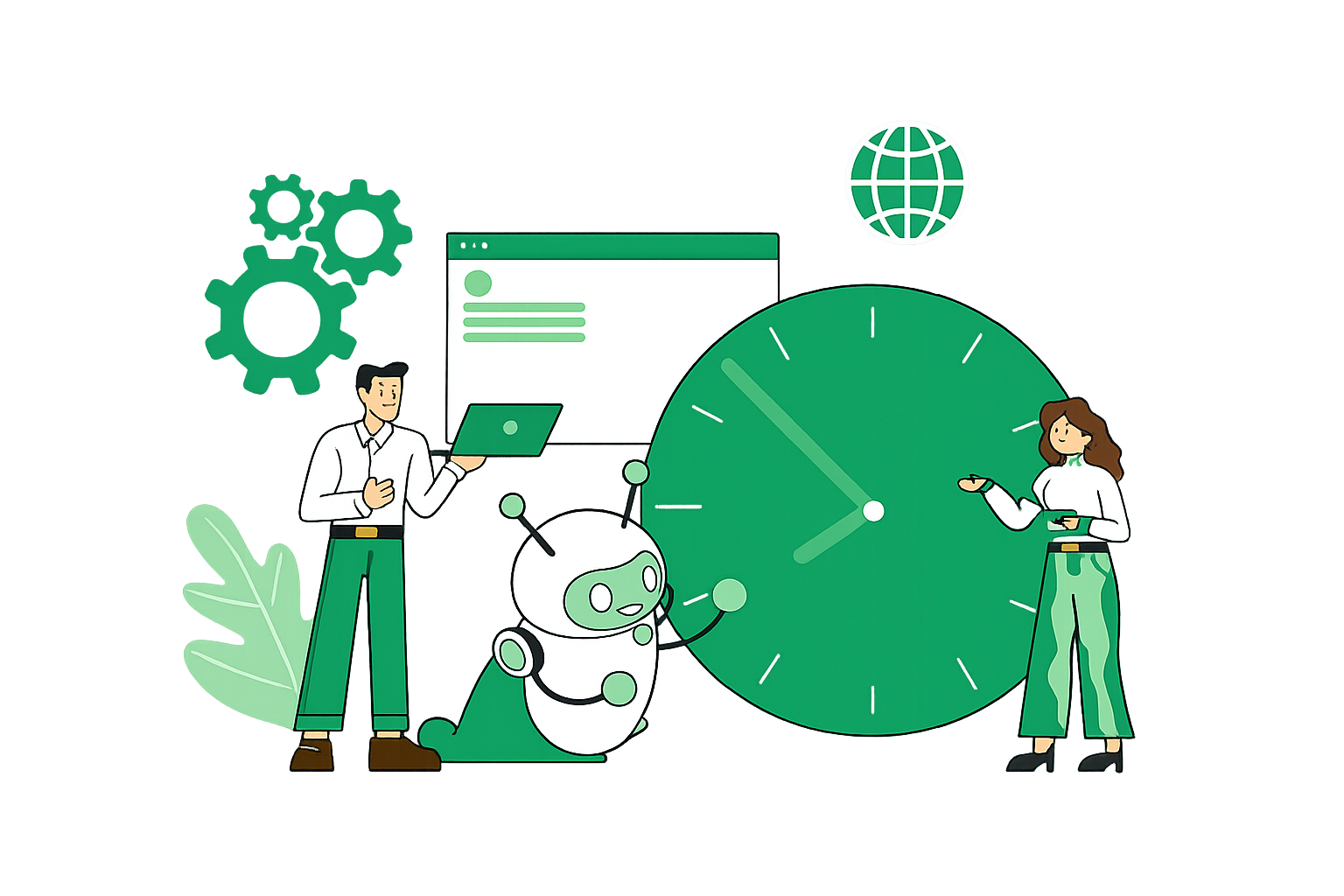
EdTech platforms carry real academic consequences when IT fails.
Softenger delivers 24/7 remote IT infrastructure for EdTech companies — covering LMS platform operations, exam and assessment portal uptime, student data privacy compliance (FERPA, COPPA, GDPR), CDN and live streaming infrastructure, cloud and campus environments, and peak-season capacity management. One operations team. One SLA. No coverage gaps — including overnight sessions, exam windows, and live class events. ISO 27001:2022 certified.
In EdTech, IT failures aren’t service outages — they’re academic events.
EdTech platforms operate in an environment where IT incidents have direct educational consequences — an LMS outage disrupts a cohort’s learning session, an exam portal failure invalidates an assessment window, and a CDN failure during a live lecture reaches thousands of learners simultaneously. These are the five IT infrastructure challenges that define the operational context your team faces every quarter.
Traffic spikes during exams and live events overwhelm infrastructure sized for average demand
EdTech platforms face instantaneous, predictable demand peaks — exam seasons, admission windows, new term starts, and scheduled live lectures can drive concurrent users from baseline to maximum in minutes. Reactive infrastructure scaling triggered by learner complaints is always too late: the academic session has already been interrupted before the capacity response begins.
LMS and exam portal downtime during active sessions carries direct academic and institutional consequences
An LMS outage during a live lecture, a virtual classroom failure mid-session, or an exam portal inaccessibility during an assessment window is not an IT service interruption — it is an academic disruption with measurable institutional credibility consequences. Generic managed IT services that treat these as standard application incidents are misaligned with the operational reality of EdTech platforms.
FERPA, COPPA, and GDPR obligations overlap without a unified compliance monitoring model
EdTech platforms serving diverse learner populations simultaneously carry US K-12 COPPA obligations, FERPA requirements for higher education student records, and GDPR data subject rights for European learners — each with distinct access control requirements, audit evidence standards, and breach notification timelines. Manual pre-audit evidence assembly for three simultaneously applicable frameworks is structurally unsustainable and consistently produces compliance gaps.
CDN and video delivery infrastructure must perform consistently at live class scale — including overnight sessions for international learners
Live lectures, recorded content libraries, and interactive learning modules all depend on CDN and video streaming infrastructure that must maintain consistent performance regardless of concurrent viewer counts or geographic distribution. CDN cache performance degradation, origin server overload, and video encoding pipeline failures during active live sessions are not discovered through monitoring — they are discovered through learner complaint volumes that arrive after the session quality has already fallen.
Multi-geography, multi-time-zone learner populations require IT coverage that doesn’t stop at local business hours
EdTech platforms serving international learner populations run active sessions at hours when local IT teams are offline. A MES failure at 2am local time on a night serving Southeast Asian learners in a different time zone, or an exam portal failure during early-morning sessions in a different region, must reach an engineer immediately — without depending on on-call arrangements that produce inconsistent response quality and burn out team members over time.
We treat your learning platforms
as academic infrastructure — not as corporate applications
that happen to serve students.
Most IT infrastructure providers classify EdTech systems the same way they classify any SaaS application — by uptime requirement and technical complexity. Softenger classifies EdTech IT systems by their academic impact: what happens to learners, to academic schedules, and to institutional credibility when each system fails.
A MES platform failure during an active exam window, an LMS outage during a live lecture cohort, and a CDN performance degradation during a peak-enrollment period are not equivalent incidents. They carry different learner consequences, different institutional credibility implications, different compliance notification obligations, and different recovery urgencies — and they must receive different monitoring models, different SLA tiers, and different escalation paths that reflect those distinctions.
That classification difference drives everything downstream: which systems receive dedicated monitoring during academic peak periods, which student data access events trigger immediate SOC escalation, which incidents require compliance notification chains, and which seasonal patterns demand proactive infrastructure pre-provisioning rather than reactive scaling. The result is an IT infrastructure service that operates with genuine understanding of the academic calendar and the learner impact model — where the distinction between an exam portal and a corporate application is built into the operating model, not acknowledged only when something goes wrong.
Learning criticality classification before any monitoring goes live
Every platform component — exam portals, LMS environments, virtual classrooms, CDN, cloud infrastructure, end-user systems — is classified by its learner and academic impact before monitoring is configured. That classification model defines which systems receive P1 SLA tiers, which incidents escalate to operations leadership, and which require institutional notification paths.
Classification audit is the deliverable — not a generic EdTech IT template.Student data privacy embedded from day one — not assembled before each compliance cycle
FERPA, COPPA, GDPR, and applicable national education data protection obligations are configured as continuous monitoring outputs from the first day of operations. Access controls, processing logs, breach detection, and compliance documentation are always-on system states — not assembled in the weeks before an audit by a team taken offline from operational responsibilities.
Privacy compliance posture is a system state — not an annual documentation project.Peak-season capacity planning as a standing operational requirement
Academic calendars have well-known peak demand periods — exam seasons, admission windows, new term starts, and scheduled live events. Softenger plans, provisions, and validates infrastructure capacity before these periods begin as a standard operational practice, not as an optional service or reactive response. Exam seasons are never a surprise to the operations team.
Infrastructure is pre-provisioned before peak demand — not scaled in response to degradation.One operations team across LMS, CDN, cloud, and student data — no inter-vendor gaps
Every environment in your EdTech IT stack — LMS platforms, virtual classroom infrastructure, CDN and video streaming, campus and cloud infrastructure, student data security operations — is managed from one operations center, under one SLA, by one team that understands how each environment connects to the others. The CDN failure that causes an LMS integration pipeline to degrade is caught by one team, not discovered at the interface between two vendor ticketing systems.
One team. Full EdTech stack. One accountability model.Five service environments. One managed infrastructure model.
EdTech IT doesn’t fit a single monitoring or infrastructure profile. Softenger manages five distinct service environments — each with its own academic criticality tier, compliance requirement, and SLA model — under one unified infrastructure framework from our Global Support Center.
Six system categories. The full EdTech IT stack under one operations model.
Softenger consolidates what most EdTech companies manage across separate LMS vendors, CDN providers, security teams, and cloud partners into a single infrastructure operations model — unified visibility, one SLA, one escalation path, one team that understands how each system connects to the learning environment.
LMS & Learning Platforms
LMS platform availability monitoring and L2/L3 incident response under learning-critical SLA tiers. Course delivery, learner progress, grading, content access, and integration workflows monitored proactively — incidents detected before learners or educators encounter degradation, not after they reach support channels.
Virtual Classroom & Collaboration
Virtual classroom infrastructure availability, video conferencing platform health, and live session delivery pipeline monitoring. Live session incidents receive P1 treatment — an educator unable to broadcast to an active cohort or a cohort locked out of a scheduled class carries the same urgency as an exam portal failure during an assessment window.
Exam & Assessment Portals
Exam and certification portal availability with dedicated monitoring during active assessment windows. Proctoring system infrastructure health, grade management uptime, and assessment data integrity monitoring. Exam portal incidents during an active certification assessment carry consequences that extend far beyond a standard IT service record.
Student Data Security Operations
24/7 SOC with education-sector threat intelligence. FERPA, COPPA, and GDPR compliance monitoring as continuous system outputs. Student PII access anomaly detection, ransomware targeting EdTech platforms, and digital courseware IP protection — monitored continuously, with monthly privacy posture reports as standard deliverables across every engagement.
Content Delivery & CDN
CDN performance management, live streaming pipeline health, and VOD content library availability — all monitored as learning-critical infrastructure. Mandatory pre-season capacity reviews for exam periods, admission windows, and scheduled live events. Capacity validated and pre-provisioned before demand arrives, not scaled reactively after learners report degradation.
Campus, Cloud & End-User IT
Multi-cloud infrastructure (AWS, Azure, GCP) with FERPA and GDPR-compliant data residency monitoring, campus network operations, SIS availability and integration health, L1–L3 educator and staff helpdesk, endpoint management, and backup and DR with education-aligned RTO requirements — all under the same operations model as the learning-critical environments above.
What EdTech companies achieve with Softenger’s IT infrastructure model
Client-reported outcomes from IT infrastructure engagements covering learning platforms, student data privacy operations, and peak-season infrastructure management — not projected estimates from a generic managed IT comparison.
Learning Platform Availability
LMS platforms and exam portals managed under learning-critical SLA tiers consistently deliver uptime improvements over fragmented monitoring arrangements — because incidents are detected and triaged before learners encounter degradation, not after they file support tickets or post complaints that reach institutional administrators.
Student Data Privacy & Compliance
Continuous FERPA, COPPA, and GDPR compliance monitoring eliminates the compliance gap between audit cycles that repeatedly produces the same findings — because privacy posture is maintained as a system state, not rebuilt before each inspection by a team taken offline from operational work for weeks at a time.
IT Operational Cost Reduction
Consolidating fragmented EdTech IT vendor arrangements — LMS monitoring, CDN management, security operations, and helpdesk — into Softenger’s offshore delivery model consistently produces 50%+ IT cost reduction while expanding monitoring coverage to 24/7 and adding student data privacy compliance as a built-in operational output.
Peak Season Infrastructure Performance
EdTech platforms with mandatory pre-season capacity reviews eliminate the infrastructure failures that produce learner complaints, institutional credibility damage, and emergency engineering costs during exam periods. Academic peak seasons become operationally predictable rather than crisis management exercises for IT and operations teams.
How every EdTech IT
infrastructure engagement
runs — without exception.
AOTS — Advise, Optimize, Transform, Support — applied to EdTech IT infrastructure has a specific mandate in each phase. Advise produces a platform topology audit that includes academic calendar peak-season mapping before a single monitoring rule, capacity plan, or compliance control is configured. Optimize calibrates alert thresholds to academic schedules and activates student data privacy controls. Transform onboards exam portals and LMS environments first. Support operates 24/7 with pre-built academic runbooks, mandatory pre-season capacity reviews, and monthly privacy compliance reports.
Advise
Every EdTech platform environment is mapped in documented detail — LMS architecture, CDN dependencies, virtual classroom infrastructure, academic calendar peak patterns, exam schedule profiles, and data privacy compliance obligations. Peak-season demand profiles are documented as part of the audit — not discovered reactively during the first high-traffic event.
- Platform topology audit — LMS, virtual classrooms, exam portals, CDN, cloud, campus
- Academic calendar mapping — exam seasons, admission windows, term starts, live events
- Data privacy compliance mapping — FERPA, COPPA, GDPR obligations per platform
- Learning criticality tiering — systems ranked by learner and institutional impact
- Onboarding phasing plan — exam portals and core LMS first, by academic criticality
A documented EdTech platform topology and privacy-compliance-aligned monitoring architecture — built from your academic calendar and operational environment, not a generic IT template.
Optimize
Monitoring rules are built from the Advise audit — LMS alert thresholds calibrated to academic usage patterns, CDN performance baselines aligned to live lecture demand profiles, student data access monitoring configured as continuous outputs, and exam-period SLA escalation paths tested. Nothing goes live before learning-criticality tiers are validated.
- LMS and virtual classroom monitoring rule configuration — academic schedule calibrated
- FERPA, COPPA, and GDPR compliance monitoring configured as system outputs
- CDN and live streaming performance baselines established and tested
- Exam-period SLA tiers and escalation paths validated before first live platform
- Academic runbook development — LMS outage, exam portal failure, CDN degradation scenarios
A tested, academically-calibrated infrastructure environment — compliance controls active, CDN baselines set, exam-period SLA tiers confirmed before the first live platform event.
Transform
Platform clusters are onboarded in academic criticality order — exam portals and core LMS environments first, then virtual classroom infrastructure, then CDN and content systems, then cloud and campus environments, then end-user computing. Each cluster runs in parallel with existing monitoring, is validated for uptime and compliance posture, and handed to Softenger operations before the next cluster begins.
- Exam portal and LMS cluster onboarded first — validation gate before progression
- Parallel monitoring during transition — zero coverage gap for active learning sessions
- Academic incident simulation — exam portal failure, LMS outage, CDN degradation tested
- FERPA and GDPR compliance validation per platform cluster before progression
- Knowledge transfer — platform engineering and IT teams briefed on escalation model
All platform clusters onboarded in academic criticality order — validated and operating under defined SLAs without disruption to active learning sessions or ongoing compliance monitoring.
Support
Softenger’s GSC operates your EdTech IT environment continuously — LMS and exam portal monitoring, student data security operations, CDN and streaming management, monthly privacy posture reporting, mandatory pre-season capacity planning for every known academic peak period, and quarterly AOTS reviews. The operating model evolves as your platform grows, your content library expands, and your learner population changes.
- 24/7/365 NOC and SOC — no business hours, no overnight or weekend exceptions
- Learning platform incident management — L1–L3 with academic runbooks pre-built
- Monthly FERPA, COPPA, GDPR, and privacy posture reports — always current
- Pre-season capacity reviews — mandatory before every exam period and admission window
- Quarterly AOTS review — new platforms, new geographies, new compliance obligations
A continuously operated, continuously compliant EdTech IT environment — student data privacy documented, platforms monitored, and peak seasons managed before demand arrives.
Every new platform, geographic market, or compliance obligation re-enters AOTS.
When you launch a new course format, expand into a market with different data privacy obligations, or add a new exam integration partner, that change enters at Advise — platform audited, monitoring updated, onboarded through Transform, returned to Support. Platform growth never creates monitoring or compliance gaps.
How a higher-education EdTech platform achieved 99.99% LMS uptimeand transformed its FERPA compliance posture
A higher-education EdTech company managing LMS environments across multiple institutional clients engaged Softenger after repeated exam-season infrastructure failures produced formal complaints and significant emergency engineering costs. The full case study documents the platform consolidation process, peak-season infrastructure transformation, and 18-month operational outcomes.
LMS and exam portal IT consolidated — 50% cost reduction, zero peak-season outages, and first clean FERPA audit in three years
The platform managed LMS monitoring, CDN operations, security, and helpdesk through separate vendor arrangements with no unified monitoring, no single SLA, and no peak-season capacity planning process. Exam seasons consistently produced infrastructure degradation events — three significant outages over two years, each requiring emergency engineering response and producing formal institutional client complaints. FERPA compliance evidence was assembled manually before each review cycle, consuming three to four weeks of IT and compliance team capacity annually. IT costs were rising while platform reliability was declining.
Three ways to engage. One academic-grade standard.
EdTech companies range from early-stage platforms with a single LMS deployment to multi-geography enterprises serving millions of learners across multiple content verticals and institutional clients. Softenger's delivery models match engagement depth to your operational scale today.
Dedicated Offshore Support Center
End-to-end managed IT infrastructure from Softenger's India-based GSC. 24/7 NOC and SOC across all platform environments — at 50%+ lower cost than equivalent in-house capability, with FERPA, COPPA, and GDPR compliance knowledge built in from day one and peak-season capacity planning as a standard operational practice.
- 24/7 NOC and SOC across all LMS, exam portal, CDN, and cloud environments
- Learning-critical SLA tiers — exam windows and live sessions prioritised by academic impact
- 50%+ IT cost reduction vs. in-house or multi-vendor infrastructure model
- FERPA, COPPA, and GDPR compliance monitoring built in from day one
- Scalable as you expand to new geographies, course formats, or institutional clients
Hybrid Delivery Model
Offshore GSC for 24/7 NOC monitoring and L1/L2 incident triage; your engineering team retains L3 escalation, platform architecture decisions, and product vendor governance. Softenger extends coverage without displacing the institutional product knowledge your team carries.
- Offshore NOC and SOC for 24/7 monitoring and first-line incident management
- Your team retains L3 escalation, platform architecture, and product vendor governance
- Structured handover protocols and shared incident management tooling
- Compliance monitoring aligned across onshore-offshore operating model
- Designed to extend — not replace — existing platform engineering expertise
On-Demand IT Support
Expert EdTech IT support for specific initiatives — LMS infrastructure commissioning, exam portal deployment, FERPA or GDPR compliance gap remediation, CDN configuration and optimisation projects, or peak-season capacity planning before an upcoming major exam period or live event cycle.
- No long-term commitment — engage for defined projects or specific scopes
- Full EdTech IT expertise across all five service environment domains
- Ideal for LMS deployments, compliance projects, or pre-season readiness assessments
- Transparent scope and billing — clear boundaries on coverage and deliverables
- Clear path to a managed engagement as learner scale and compliance complexity grow
What an IT Infrastructure Assessment produces for your EdTech organisation
A conversation with a Softenger EdTech IT specialist produces a documented platform topology and compliance assessment — not a vendor pitch. We review your LMS environment, academic calendar peak patterns, privacy obligations, and current IT infrastructure model, then produce specific recommendations. No commitment required. No obligation beyond the conversation.
Six structural reasons EdTech companies choose Softenger over a generic IT infrastructure service applied to a learning platform
These are operational and structural realities — built into how Softenger engages, monitors, and responds — that determine whether your EdTech platform operates at the availability and compliance level your learners, your institutional clients, and your regulators simultaneously expect.
Learning-native infrastructure operations — LMS and exam portals managed by academic impact, not technical architecture
Softenger's EdTech infrastructure model classifies platforms by their learner and institutional impact — not their technical spec. An exam portal failure during an active assessment is never processed in the same queue as a corporate HR application incident. SLA tiers, alert thresholds, and escalation paths reflect the academic context, not generic IT service windows.
Peak-season capacity planning built in — academic calendars don't surprise the operations team
Mandatory pre-season capacity reviews for exam periods, admission windows, and live events are included in every Softenger EdTech engagement as standard. Cloud, CDN, and LMS capacity is assessed and pre-provisioned before demand arrives — because academic calendars are predictable, and infrastructure failures during exam seasons are not acceptable consequences of planning gaps.
FERPA, COPPA, and GDPR embedded from day one — not assembled in the weeks before each audit
Student education record controls, child data protection, and European learner privacy obligations are configured as continuous monitoring outputs from the first day of operations. Monthly privacy posture reports replace the annual pre-audit build that consumes compliance team capacity. The auditor arrives to evidence that is always current — not assembled under deadline pressure.
CDN and live streaming managed as learning-critical — not generic network delivery components
Live lecture CDN performance, video encoding pipeline health, and VOD content availability are monitored as learning-critical infrastructure under the same operational urgency as LMS platform uptime. CDN degradation during an active live lecture carries the same learner trust consequence as a platform outage — and receives the same escalation priority.
50% IT cost reduction — without trading EdTech expertise for offshore economics
Consolidating fragmented EdTech IT vendor arrangements into Softenger's offshore delivery model produces 50%+ IT cost reduction and 40% faster incident resolution. EdTech companies also eliminate the specialist attrition risk — when a senior platform reliability engineer leaves before an exam season, operational knowledge of peak-season patterns and platform-specific runbooks leaves with them. Softenger doesn't carry attrition risk.
25 years of enterprise IT delivery — Oracle, SAP, VISA, and Reliance Jio among our reference clients
Softenger's 25-year enterprise IT delivery history includes Oracle, SAP, VISA, and Reliance Jio — engagements where platform availability standards, compliance rigour, and SLA accountability are non-negotiable. The operational discipline from those engagements defines the baseline for every EdTech IT infrastructure engagement Softenger delivers.
Insights for EdTech
IT infrastructure leaders
Explore all insights →
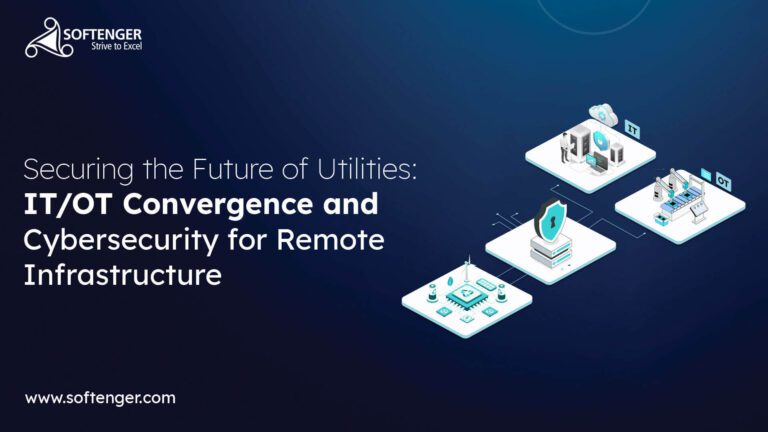
Securing the Future of Utilities: IT/OT Convergence and Cybersecurity for Remote Infrastructure
The security principles from converged IT environments apply directly to EdTech — where LMS platforms, virtual classroom infrastructure, and cloud content systems share boundaries that ransomware groups and data exfiltration campaigns targeting the education sector actively probe for the same access-control gaps FERPA and GDPR auditors examine.
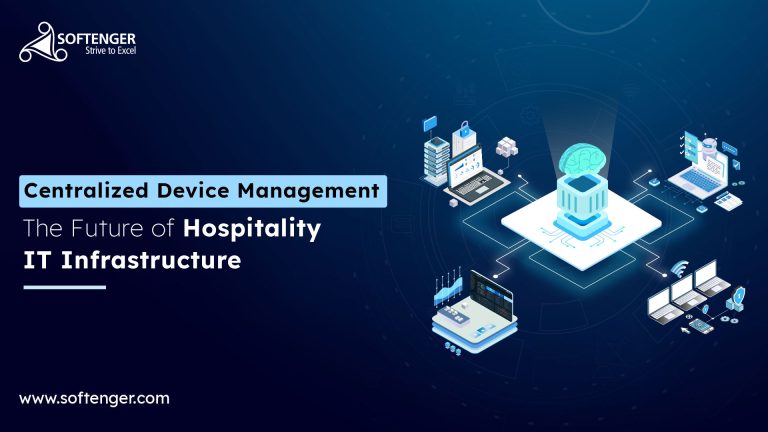
Why Remote and Centralized IT Management Is Transforming Operations Across Distributed Infrastructure
The centralized remote management model applies directly to EdTech — where LMS environments, CDN endpoints, virtual classroom servers, and campus network infrastructure across multiple geographies must be managed from a single operations center with the consistency that per-site or per-component vendor arrangements structurally cannot provide.
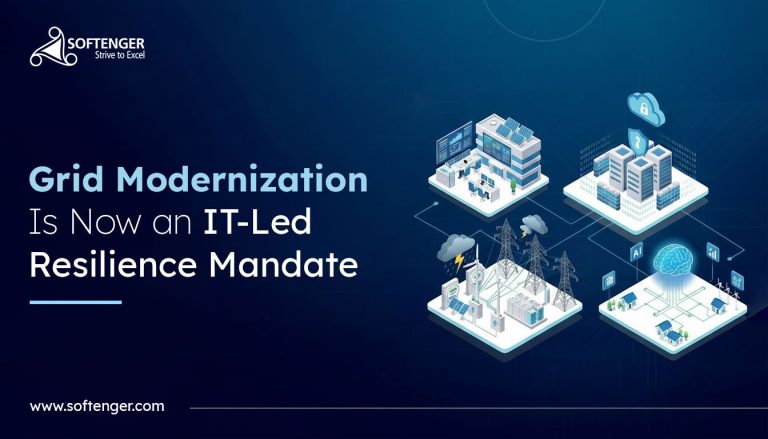
IT-Led Infrastructure Modernization: Building Resilient, Secure Operations at Scale
How enterprises managing complex distributed infrastructure use managed IT frameworks to drive transformation without disrupting live operations — a model that maps precisely to EdTech companies modernizing from on-premises LMS to cloud-native, CDN-delivered learning platforms while maintaining compliance and platform continuity throughout the transition.
Questions EdTech IT leaders ask
before engaging Softenger
Tell us about your
EdTech platform.
We'll show you what
academic-grade managed looks like.
A conversation with a Softenger EdTech IT specialist produces a documented platform topology and compliance assessment — not a vendor pitch. We review your LMS environment, academic calendar patterns, privacy obligations, and current IT infrastructure model, then produce specific recommendations. No commitment required.
🎓 Request an EdTech IT Infrastructure Assessment
ISO 27001 certified. Your information is handled securely and never shared.